
 中文
中文
News & Events
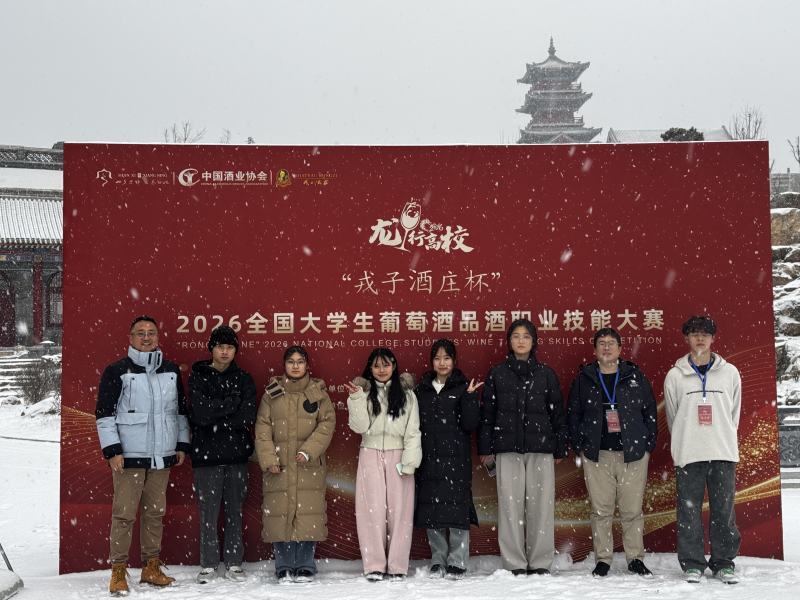
On January 29, 2026, the 2026 "Chateau Rongzi Cup" National University Students' Wine Tasting Skills Competition, hosted by the China Alcoholic Drinks Association and other organizations, concluded successfully at Chateau Rongzi, Shanxi Province. As one of the highly authoritative national-level wine professional skills competition,it attracted top contestants from 22 universities nationwide to compete. Six students from the the School of Brewing Engineering, Moutai Institute (3 from Grade 2022 and 3 from Grade 2023 ) formed a team to participate. The institute was awarded the "Outstanding Organization Award" for its excellent event organization and performance, and the team also won the "Outstanding Award" .
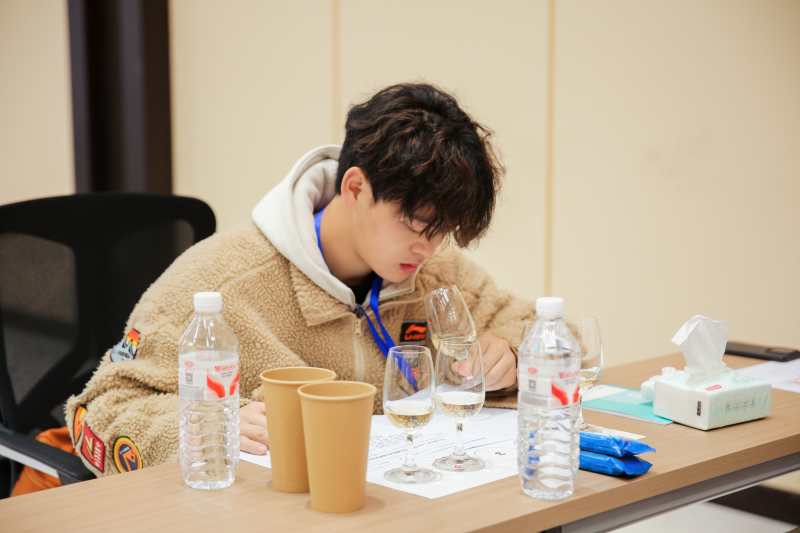
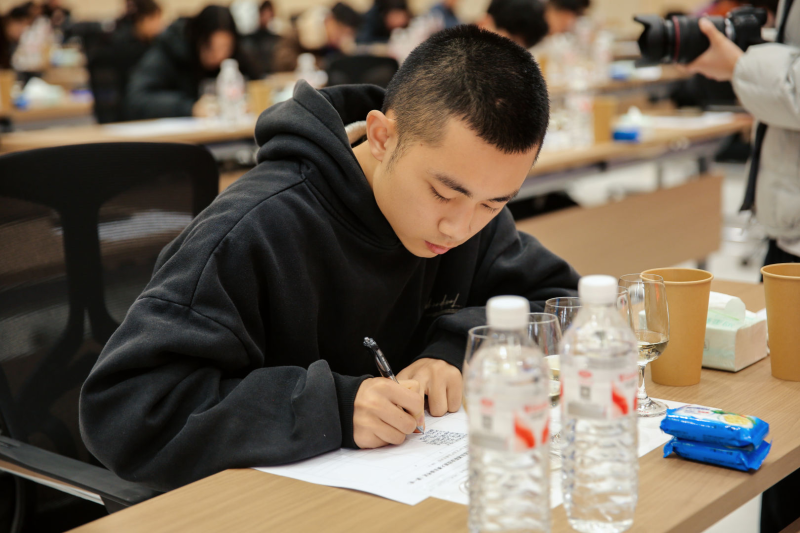
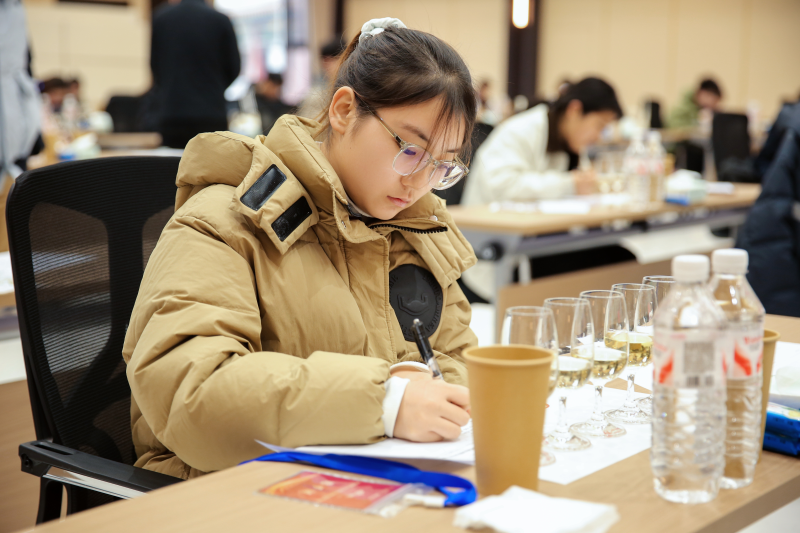
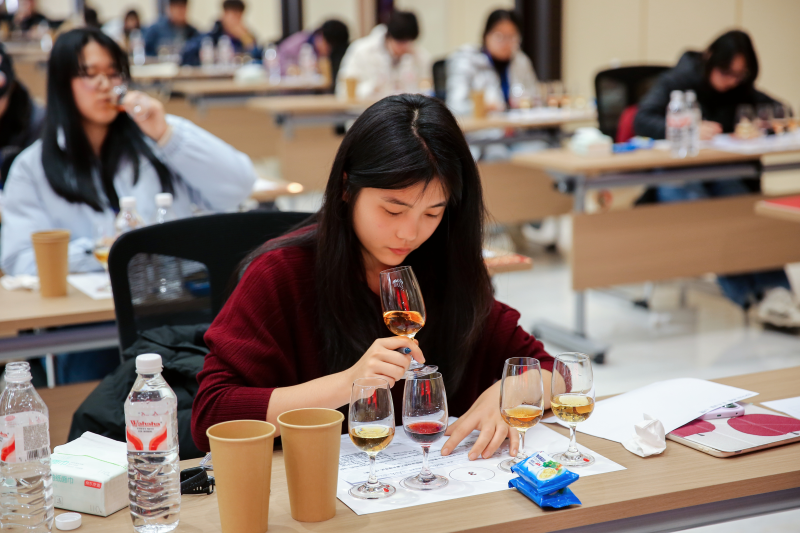
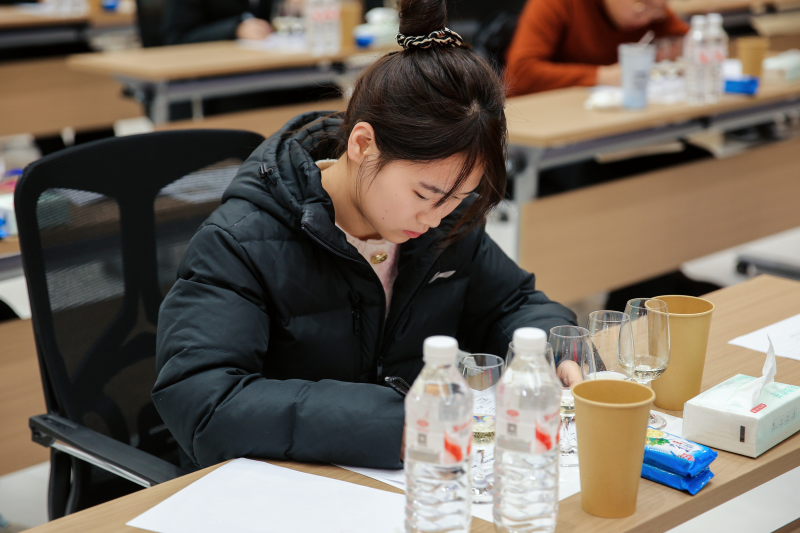
This competition has strict assessment standards and covers comprehensive dimensions. It not only systematically tests the contestants' professional theoretical reserve of wine, but also focuses on assessing their practical sensory analysis abilities such as ,appearance recognition, aroma discrimination, taste tasting,, and comprehensive quality assessment. Multiple rounds of challenging blind tastings imposed extremely high requirements on the contestants’ professional literacy, on‑the‑spot adaptability, and psychological quality. During the competition, the students from Moutai Institute strictly followed professional tasting procedures. They carefully observed the characteristics of the wine liquids , keenly captured changes in various aromas, accurately analyzed the wine structure, correctly identified grape varieties and producing area characteristics, and completed logically rigorous professional tasting notes, demonstrating solid professional foundation and excellent competition demeanor.
Participation in this competition and the awards won are a practical test of the talent cultivation achievements of the Wine Specialty of Moutai Institute.. They not only demonstrate the university's dedication and effectiveness in event organization and student training, but also enable the students to accumulate valuable practical experience in national-level competitions. This in turn showcases the initial educational achievements of the university's "industry-education integration" teaching philosophy. However, judging from the overall results of the competition, the professional skills of our students still have a certain gap to make up compared with the national top level, indicating that there is still considerable room for improvement in the cultivation of wine tasting skills and other aspects. The talent cultivation work still needs continuous improvement and long-term dedication.
In the future, the School of Brewing Engineering, Moutai Institute will take this competition as an opportunity, adher to the development philosophy of “promoting learning, teaching and reform through competitions”. It will earnestly summarize the problems and deficiencies identified in the competition, and further deepen the education and teaching reform of the wine specialty. Also, it will focus on the cutting-edge demands of the industry, strengthen practical training on core skills such as sensory evaluation, continuously optimize the talent training program, constantly polish teaching details, improve teaching quality, and strive to make up for shortcomings in talent cultivation. By continuously tempering students’ professional core competencies, it will continue to organize and prepare for various professional competitions, and be committed to cultivating more high-quality professionals who meet the development needs of the brewing industry and possess strong competitiveness.
First Review Xueting Zhao
Second Review Qing Ma
Third Review Jiangfang Wang
-

Tel:+86 851 28797047
-

Fax:+86 851 28797002
-

E-mail: oce@mtxy.edu.cn
-

Postcode: 564500
-

Add:Luban Ave., Renhuai, Zunyi, Guizhou, China


- Copyright © Copyright 2015-2016
- Your website security number: 52038202001601
- website filing number: QIICP18000375-1